
Firefighting trucks play a critical role in modern safety protocols, serving as the frontline defense against fires and emergencies. Equipped with advanced technology and specialized tools, these vehicles are indispensable assets for firefighters. Innovations such as aerial ladders, thermal imaging cameras, and even electric firefighting trucks are transforming how we respond to emergencies, enhancing both efficiency and safety for first responders. For business owners, understanding the significance of a firefighting truck goes beyond mere compliance; it encompasses the need for effective emergency preparedness that can safeguard lives and property. This article aims to inform business owners about the essential factors to consider when evaluating firefighting truck capabilities and innovations that can bolster safety protocols in their operations. Learn more about municipal firefighting trucks.
History of Firefighting Trucks
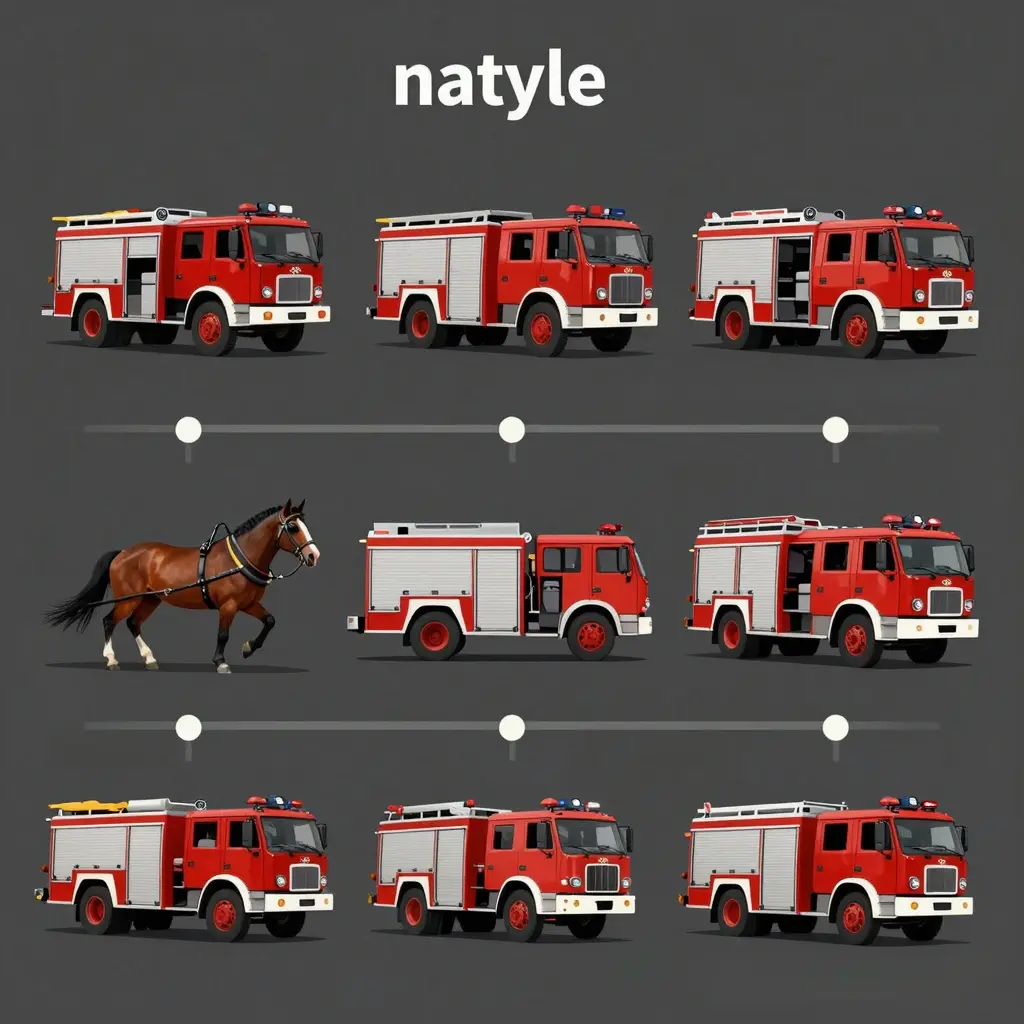
Firefighting trucks have come a long way since their inception, evolving significantly through the centuries to become the technologically advanced vehicles we see today. This evolution reflects advancements in technology, materials, and firefighting strategies that prioritize efficiency and safety.
Early Beginnings
- 1700s: The first firefighting vehicles were hand-drawn or horse-drawn water pumps. These primitive machines were essentially manual pumps designed to assist bucket brigades in extinguishing fires.
- 1850s: The introduction of steam-powered fire engines marked a turning point, allowing firefighters to transport water more efficiently, drastically improving response times.
Motorization and Expansion
- 1910s: The evolution continued with the advent of motorized engines, which revolved around the capability to carry larger water tanks, more equipment, and crews. This shift from horse to engine power allowed for faster deployment.
- 1950s: A significant milestone was achieved with the integration of aerial ladders, enabling firefighters to combat blazes in high-rise buildings. This advancement saved countless lives and prevented more extensive property damage.
Modern Times
- 2000s: With the digital age, firefighting trucks began incorporating GPS technology for improved navigation and route planning. This advancement ensures that firefighters can reach incidents quicker and more effectively.
- Recent years: Innovative features like telematics and automated systems have transformed firefighting trucks. These technologies assist in fleet management and improve operational efficiency.
Key Advancements Over Time
| Year | Technological Advancement | Description | Source |
|---|---|---|---|
| 1900s | Water Pumps | Development of advanced water pumping systems for effective firefighting | Bonafide Research |
| 1910s | Motorized Engines | Introduction of motorized engines revolutionized firefighting truck capabilities | Robert Hume San Diego |
| 1950s | Aerial Ladders | Implementation of aerial ladders allowing access to high-rise buildings | Strategic Revenue Insights |
| 2000s | GPS Technology | Integration of GPS for navigation and efficient route planning in firefighting trucks | Canadian Profession Path |
| Recent | Telematics and Automated Systems | Utilization of telematics for fleet management and automated firefighting systems | Emergen Research |
This extensive history showcases how firefighting trucks have continuously adapted to meet the demands of modern firefighting techniques, making them indispensable tools in emergency response.

Key Features of Modern Firefighting Trucks
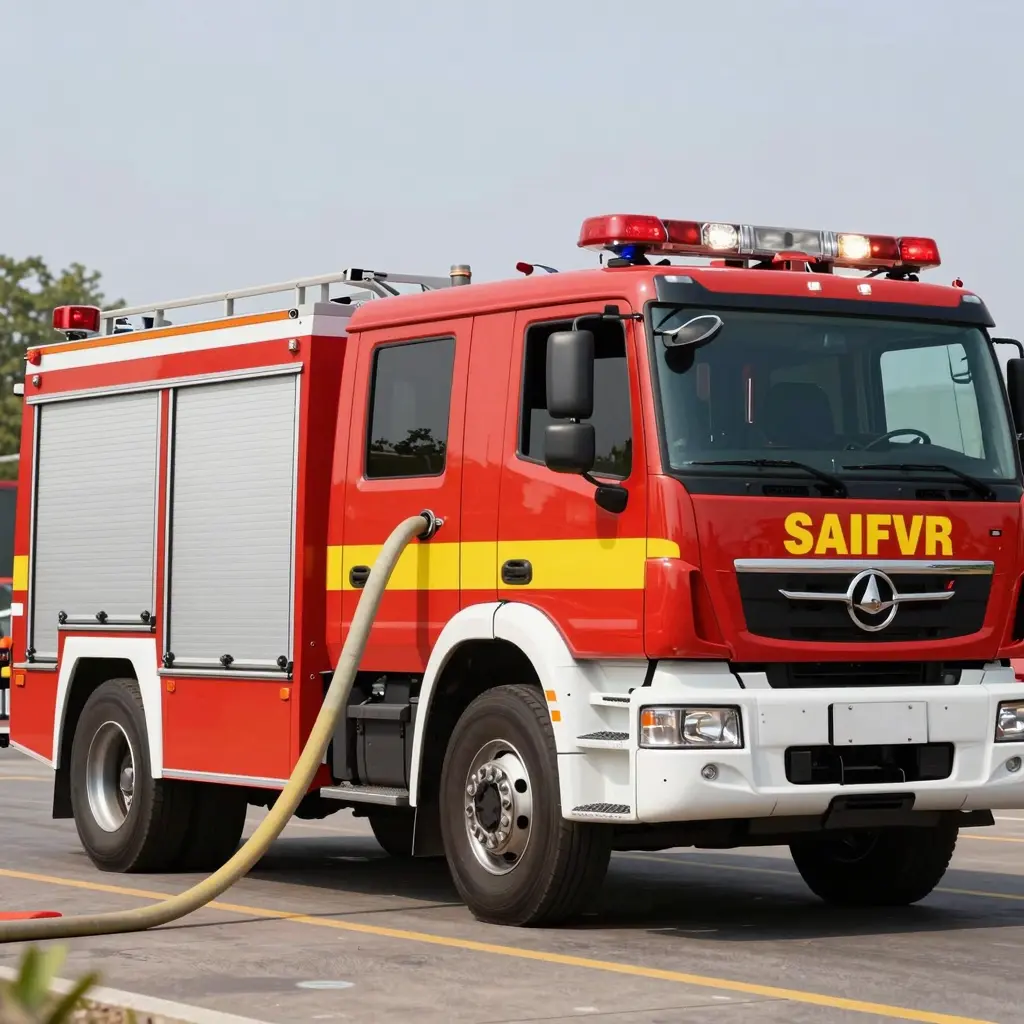
Modern firefighting trucks are equipped with advanced features that enhance their effectiveness in emergency situations. As business owners considering municipal safety and emergency preparedness, understanding these features is crucial. Below are the top ten features of modern firefighting trucks:
- High Water Capacity: Modern firefighting trucks often have a significant water tank capacity, allowing them to combat fires effectively without immediate resupply.
- Quick Equipment Access: Optimized storage solutions ensure that firefighters can access hoses, tools, and equipment quickly during emergencies.
- Advanced Technology Integration: Features like GPS, thermal imaging, and communication systems enhance situational awareness and response times.
- Specialized Firefighting Systems: Many trucks are designed for specific types of fires, using various suppression technologies such as foam and water mist systems.
- Ergonomic Design: From cab to equipment layout, ergonomic design increases the efficiency of operations and ensures the safety of firefighters.
- Durable Construction: Made with high-strength materials, modern firefighting trucks can withstand harsh environments and intense heat.
- Eco-friendly Options: Emerging eco-friendly technologies minimize environmental impact, helping fire departments adhere to sustainable practices.
- Remote Operation Capabilities: Some modern trucks come equipped with the ability for remote operation, allowing for safer distances during hazardous incidents.
- Comprehensive Safety Features: Innovations such as rollover protection, anti-lock braking systems, and reinforced body designs enhance both firefighter and public safety.
- Robust Training and Simulation Tools: Many firefighting trucks now include advanced training simulators that prepare firefighters for various scenarios in a controlled environment.
Understanding these features can help business owners make informed decisions when collaborating with fire departments or investing in fire safety measures. To learn more about municipal firefighting trucks or explore products designed specifically for fire and rescue operations, check out our extensive catalog.
The Impact of Technology on Firefighting Trucks
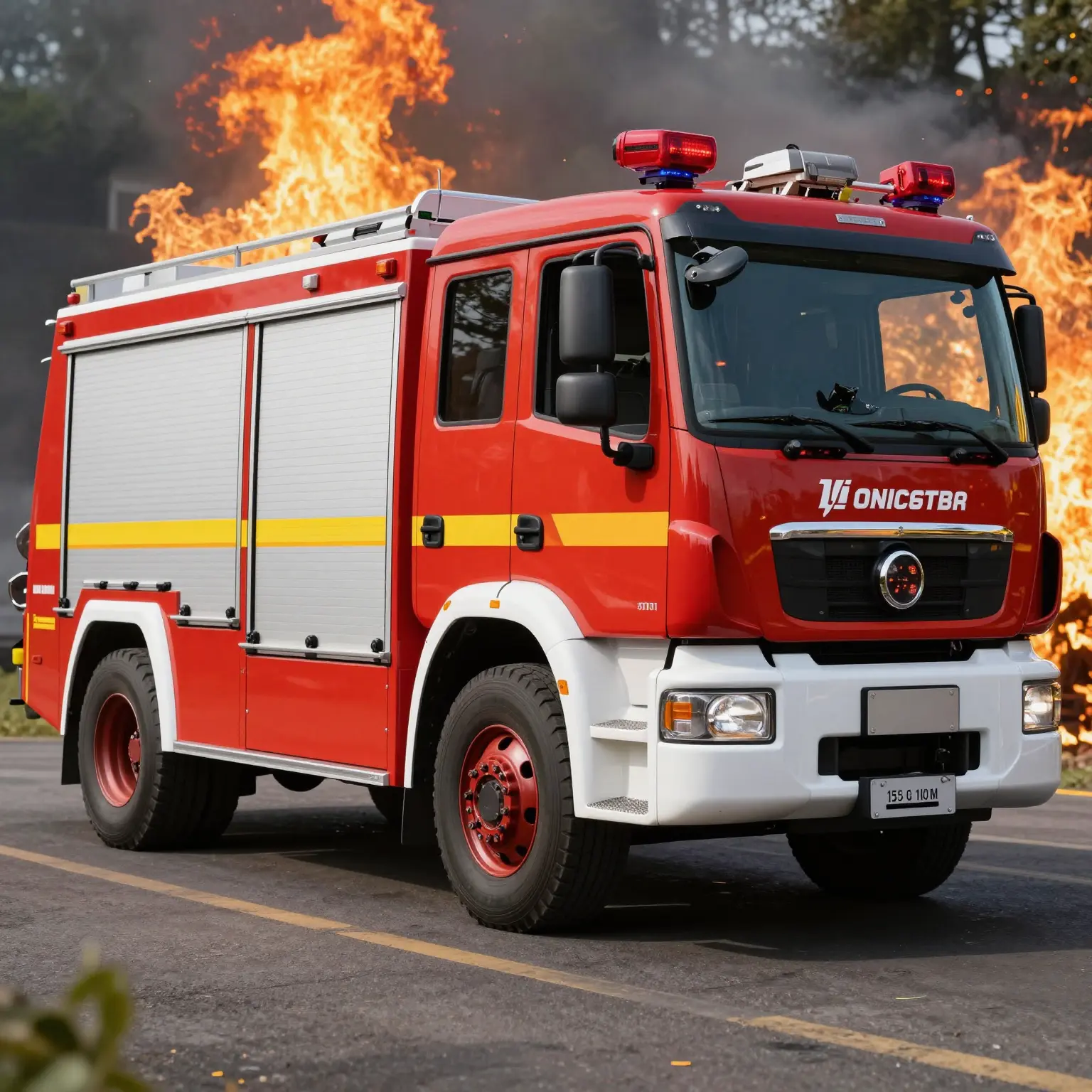
In recent years, the integration of technology in firefighting trucks has revolutionized how fire departments respond to emergencies. Technologies such as the Internet of Things (IoT), Artificial Intelligence (AI), and advanced materials are increasingly being utilized to enhance the capabilities and efficiency of firefighting operations. This section explores these technologies and their impact on fire safety.
Internet of Things (IoT)
One of the most significant advancements is the incorporation of IoT in firefighting trucks. IoT technologies enable real-time monitoring of various parameters, such as the engine status, water levels, and equipment functionality. For instance, smart fire detection systems provide firefighters with immediate alerts and data about fire conditions, enhancing situational awareness during emergencies. This leads to improved response times and optimized resource allocation, potentially saving lives and property.
Artificial Intelligence (AI)
AI algorithms are now being applied to analyze data from past incidents to predict fire behavior and recommend strategies for firefighting operations. Tools powered by AI can evaluate the environmental conditions and help decision-makers deploy resources more effectively. For example, predictive fire spread models can inform crews where to focus their efforts, thereby increasing the overall efficiency of firefighting operations and minimizing risks involved.
Advanced Materials
The use of advanced materials in the construction of firefighting trucks contributes significantly to safety and performance. Firefighters now utilize vehicles constructed from fire-resistant and durable materials, which not only withstand extreme conditions but also enhance the longevity of the vehicles. Furthermore, these materials can greatly reduce weight without compromising safety, allowing for better maneuverability in hazardous environments.
Benefits and Future Prospects
The benefits of integrating these technologies are clear:
- Enhanced situational awareness and faster response times through IoT connectivity.
- Increased operational efficiency and effectiveness in firefighting missions due to AI.
- Improved vehicle durability and safety through the use of advanced materials.
According to recent studies, applications of IoT and AI in the firefighting sector have been shown to increase efficiency by over 25% in some operations, reflecting an urgent trend towards adopting technology for better firefighting practices.
With an ever-evolving landscape of technology, the future of firefighting trucks looks promising, pointing towards even greater advancements in efficiency, safety, and effectiveness. As these innovations continue to develop, they are sure to play a pivotal role in shaping the future of fire safety.
Statistics on Technological Impact
| Technology Area | Description | Benefits | Source |
|---|---|---|---|
| IoT in Firefighting | Smart fire detection systems using IoT help monitor fires and provide real-time data for decision-making. | Enhances situational awareness and response time. | Source |
| AI Integration | AI applications analyze fire behavior, predict fire spread, and optimize resource deployment. | Improves efficiency and effectiveness of firefighting operations. | Source |
| Advanced Materials Usage | Use of fire-resistant materials and technologies in construction lowers overall fire risks. | Reduces structural damage and increases safety for occupants. | Source |
| Robot Firefighters | Robots equipped with AI and sensors perform firefighting operations in hazardous environments. | Minimizes human risk, enhances capabilities in extreme conditions. | Source |
| Market Expansion | Growth driven by technological advancements and need for enhanced safety measures. | Increased adoption of robotic systems in firefighting. | Source |

As technology advances, it is evident that the future of firefighting trucks will continue to evolve, enhancing their effectiveness in preserving life and property in the face of emergencies.
Comparison Table of Firefighting Truck Manufacturers
To assist business owners in making informed decisions regarding firefighting equipment, below is a comprehensive comparison of various firefighting truck manufacturers, including their key specifications, prices, and product offerings.
| Manufacturer | Model | Price | Capacity | Specifications | Product Link |
|---|---|---|---|---|---|
| Dongfeng | 4×4 Water Foam Tanker | $20,300 | 3.6 tons | Features CB10/30 fire pump and PL8/24 fire monitor, lifting capacity up to 50m | More Info |
| Mini Fire Truck Manufacturers | Mini Firefighter | Price Varies | 7000 Liters | Specializes in emergency rescue tasks, includes transport and rescue tools | More Info |
| Accio | Small Fire Truck | Pricing Options Available | 3 m3 | Flexible pricing based on MOQ; options for reliability in small models | More Info |
| China Truck Manufacturers | Dongfeng 4×2 Water Tank Fire Truck | $20,300 | Varies | 4×2 model with specifications tailored for firefighting needs | More Info |
This table reflects key offerings from notable manufacturers. Please ensure to check the links for the most current prices and specifications.
For more information on municipal vehicles, check out our municipal offerings. If you are interested in fire rescue products, consider exploring our selection of fire rescue vehicles.
The Importance of Innovation in Firefighting Trucks
Firefighting trucks are at the forefront of the battle against fire emergencies, and innovation plays a pivotal role in their development.
“Technology is a potential game-changer, establishing a fourth wave of innovation in firefighting methods.”
- Chief William Perez, UConn Fire Department
This quote from Chief William Perez emphasizes how technological advancements can transform traditional firefighting approaches. As the firefighting landscape evolves, implementing innovative features in firefighting trucks can significantly enhance their effectiveness.
Advancements in Firefighting Technology
The continuous innovation within the firefighting sector includes various advanced tools and technologies such as smart equipment, drones, and specialized software. These innovations improve not only the operational capabilities of firefighters but also enhance overall safety during fire emergency responses.
For further insights on the types of firefighting vehicles available, explore our product categories.
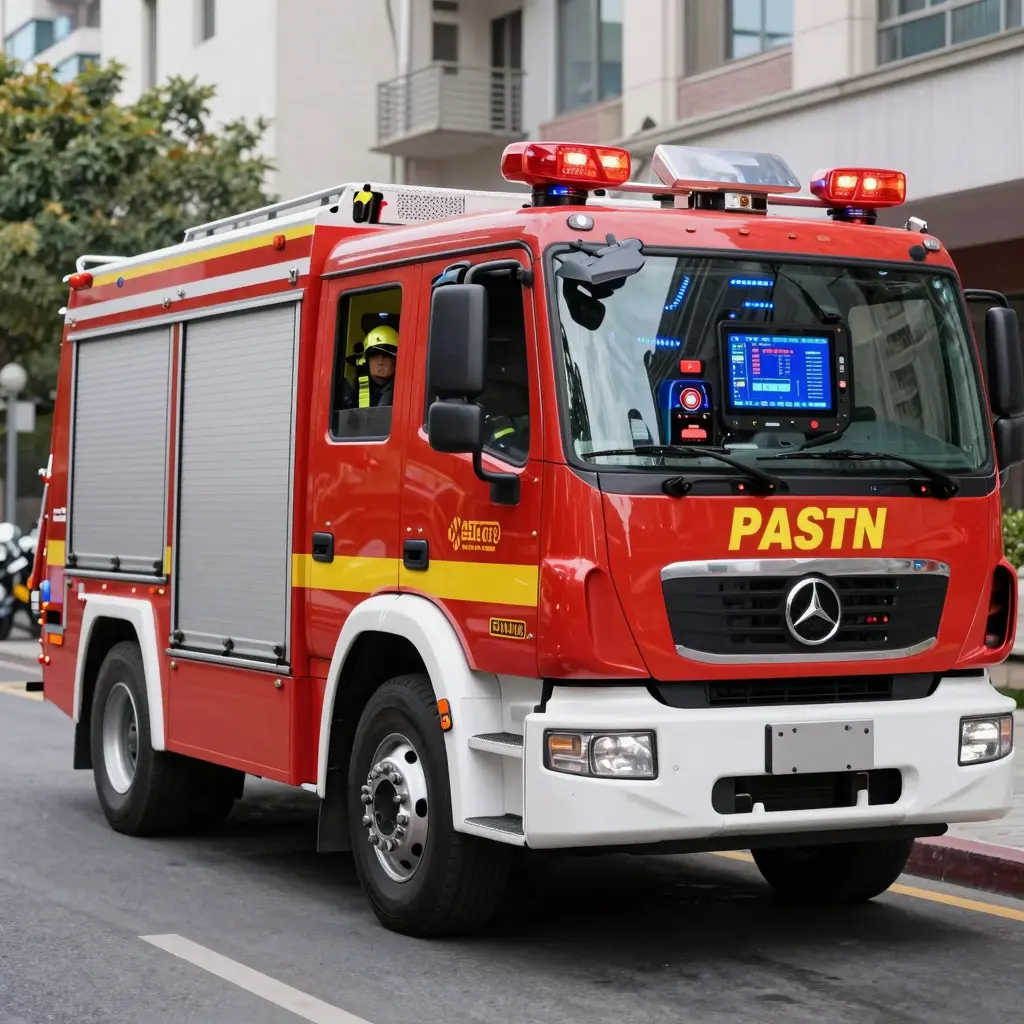
Fire truck equipped with advanced technology in an urban setting.
As business owners make decisions regarding firefighting trucks and equipment, understanding the importance of these innovations becomes essential for ensuring effective fire response capabilities.
To discover a variety of firefighting solutions, visit our product repository here.
Firefighting technology is evolving rapidly, bringing significant advancements that improve safety, efficiency, and operational capabilities. For business owners looking to invest in modern firefighting equipment, staying informed about the latest trends in firefighting trucks is crucial. Here are some of the prevailing trends in 2023:
1. Electric and Hybrid Vehicles
As environmental concerns rise, the firefighting industry is increasingly turning towards electric and hybrid vehicles. These trucks offer reduced emissions and lower operational costs. Electric firefighting trucks are particularly praised for their silent operation, which can be advantageous in urban settings. Companies are focusing on developing high-capacity batteries to support extensive operations.
2. Advanced Firefighting Technology
Innovations such as specialized firefighting trucks designed to extinguish electric vehicle (EV) fires are gaining attention. For instance, the British-built Hiload 6×6 firefighting truck is engineered specifically to tackle EV battery fires, showcasing advancements in safety and operational efficiency (source: CarSifu).
3. Enhanced Aerial Appliances
The integration of aerial appliances is becoming more common in firefighting trucks. These vehicles now often feature advanced aerial rotor technology, which enhances their ability to respond quickly and effectively to emergencies. Innovations in this area focus on increasing safety and ensuring higher operational efficiency during firefighting activities (source: Zoomlion Global).
4. Firefighting Robots
Another notable trend is the development of firefighting robots. Designed to operate in high-risk environments, these machines can navigate dangerous conditions, offering enhanced safety for human firefighters. Recent introductions include robot dogs equipped with impact power technology, which can assist in firefighting efforts in challenging scenarios (source: Kantan News).
5. Integration of Smart Technologies
Firefighting trucks are now equipped with smart technologies that facilitate real-time monitoring and data analysis. These systems enable firefighters to make better-informed decisions during emergencies, optimizing water usage and improving response times. There’s ongoing research into developing autonomous firefighting robots that support human teams and enhance safety in urban setups (source: Tech Explore).
Conclusion
Investing in advanced firefighting trucks equipped with modern technology not only enhances operational efficiency but also ensures the safety of firefighters. As trends evolve, business owners must remain vigilant to adapt their fleets and equipment accordingly. By embracing these innovations, fire departments can significantly improve their response capabilities and better protect communities.
For more information on various firefighting equipment and options available, explore our selection of fire rescue vehicles.
Conclusion
In today’s rapidly evolving landscape, having up-to-date firefighting trucks is not merely a matter of compliance, but a critical strategy for safeguarding your business. Modern firefighting vehicles come equipped with advanced technology designed to address the unique challenges businesses face during fire emergencies. They are crucial in ensuring quick responses, enhancing safety for both the public and responders, and ultimately protecting your assets.
By partnering with CCIG, you are not only investing in cutting-edge firefighting solutions but also establishing a relationship with an industry leader dedicated to innovation and excellence. Learn more about our fire rescue vehicles and discover how our latest technologies can elevate your fire response capabilities.
Don’t leave your business safety to chance. Join hands with CCIG today, and ensure that your firefighting operations are equipped with the best technology available.
For inquiries and to see how we can support your needs, contact us now.
Urban Fire Incident Statistics
Urban areas face significant challenges when it comes to fire incidents. In 2023, statistics reveal alarming trends that highlight the necessity for effective firefighting solutions. Below is a summary of critical data regarding urban fire incidents that underscores the importance of reliable firefighting equipment such as trucks:
Key Statistics
| Year | Total Urban Fire Incidents | Average Response Time (minutes) | Civilian Casualties | Property Damage Costs (in billions) |
|---|---|---|---|---|
| 2023 | Over 1 million | 4.6 | Not specified | $26 |
Chart of Fire Incident Statistics
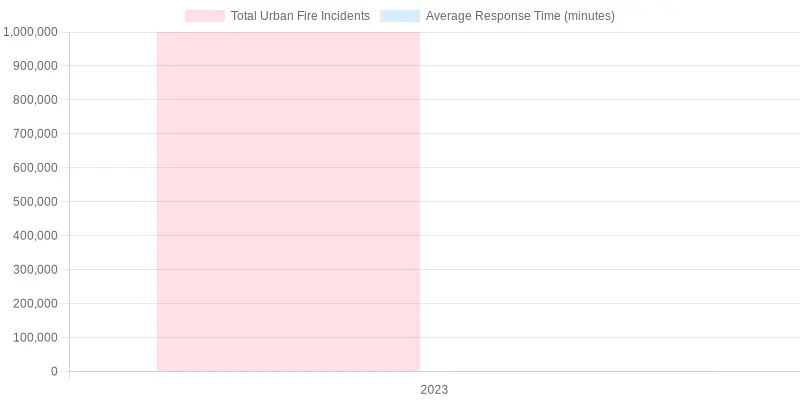
This bar chart illustrates important aspects of fire incidents in urban areas, including the total number of incidents and the average response time. The data reflects a pressing need for improved response systems and investment in firefighting infrastructure. For business owners and municipal planners, understanding these statistics is crucial for making informed decisions about emergency services and public safety initiatives.
For more information on effective firefighting trucks, feel free to check our fire rescue equipment options.
Moreover, you can explore various municipal vehicles designed for emergency response at our municipal vehicle category.