
Introduction
In the fast-paced world of food service, ensuring safety and quality goes beyond just the culinary skills of a chef or vendor. The choice of food containers plays a pivotal role in maintaining the integrity of food items, particularly when it comes to using non-poisonous plastic food containers. These containers not only safeguard the health of consumers but also enhance the overall dining experience, making them particularly relevant for bubble tea shops, restaurants, food trucks, and catering services.
With growing awareness around food safety and public health, the demand for safe, non-toxic packaging has surged. For professionals in the food industry, choosing the right food containers means more than just aesthetic appeal; it is about trust, sustainability, and compliance with health standards. Using non-poisonous materials helps mitigate health risks associated with harmful substances, ensuring that food remains uncontaminated and delicious. Thus, food service operators-including event planners and corporate procurement teams-must prioritize sourcing food containers that align with these important standards.
At EcoCup Bowl, we understand the critical impact that quality food containers have on your business. Our range of non-toxic plastic food containers is designed specifically for the needs of today’s food service professionals. Join us in making a responsible choice for your establishment and the health of your customers!
Explore our collection of quality food containers today and elevate your food service standards!
Non-Toxic Materials Used in Plastic Food Containers
When it comes to selecting food containers, especially in beverage services like bubble tea shops, it’s essential to prioritize safety and quality. Here’s a list of commonly used non-toxic materials that are not only safe but also effective for foodstorage and service:
-
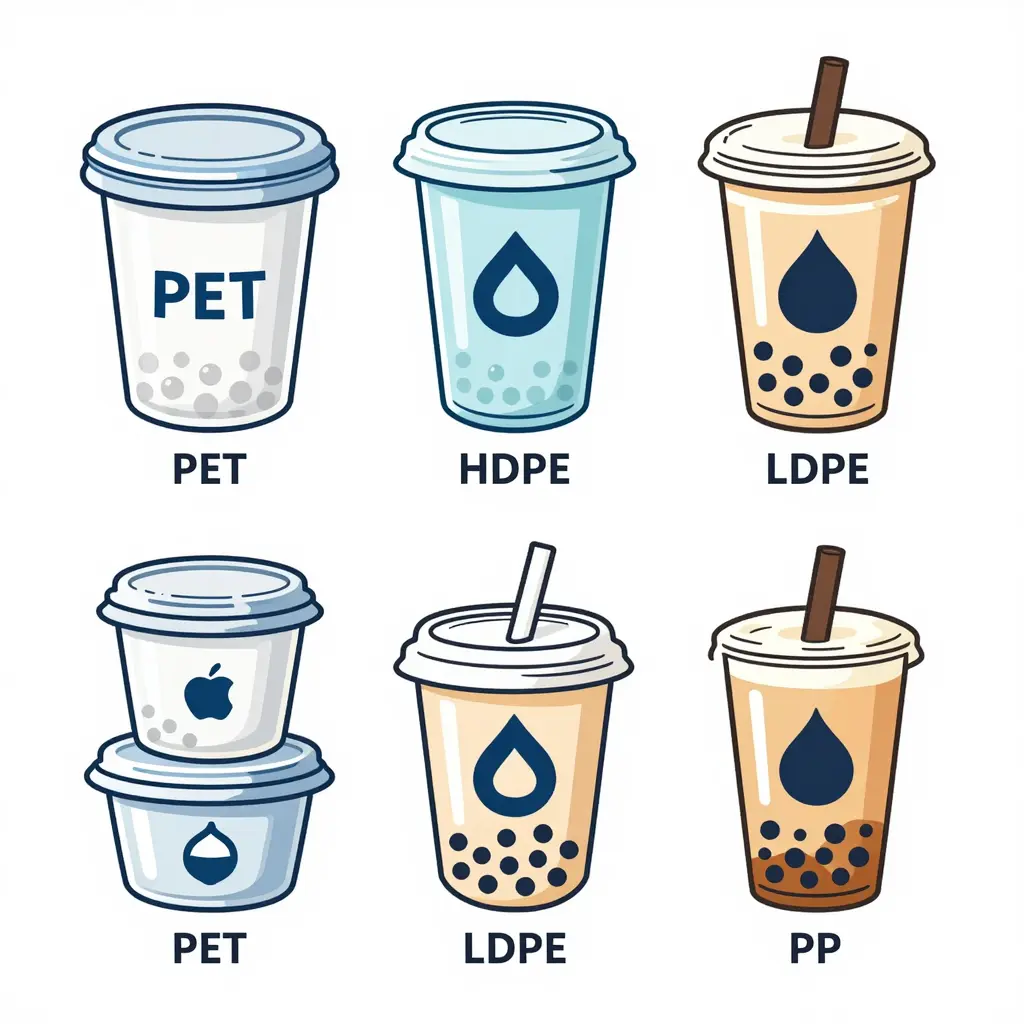
PET (Polyethylene Terephthalate): This transparent plastic does not leach any harmful chemicals and is ideal for cold drinks and ready-to-eat meals. It is often used in beverage bottles and food containers due to its clarity and strength.
-
HDPE (High-Density Polyethylene): Known for its durability, HDPE is non-toxic and resistant to high temperatures, making it suitable for containers that may hold hot food. It’s commonly used in milk jugs and juice bottles.
-
LDPE (Low-Density Polyethylene): This material is flexible and safe for use with food. While it’s less common for hard containers, you’ll find it in products like cling films and soft squeezy bottles.
-
PP (Polypropylene): Renowned for its high heat resistance, PP can withstand temperatures up to 130°C (266°F). This makes it perfect for microwave-safe food containers, especially those used for takeout in bubble tea shops.
-
Bamboo Fiber: As a natural alternative, bamboo fiber containers are making waves in the food service industry. They are biodegradable and chemically-free, appealing to eco-conscious businesses.
These materials meet strict safety standards and are designed to ensure that no harmful substances migrate into food items. For more information on non-toxic food containers, check out our collection of food containers with sustainable materials and additional food service items.
Choosing any of these options ensures a safer dining experience for your customers while maintaining quality and taste.
Safety Standards for Non-Poisonous Plastic Food Containers
When it comes to food safety, especially in environments like bubble tea shops, restaurants, and catering services, the materials used for food containers play a critical role. Non-poisonous plastic food containers must adhere to several stringent safety standards to ensure the health and well-being of consumers. Here’s an overview of the key international regulations and certifications pertinent to non-toxic plastic food containers.
Key Regulations and Certifications
- FDA Regulations
In the United States, the Food and Drug Administration (FDA) oversees the safety of materials that come in contact with food. According to their guidelines, any plastic typically used for food containers must pass a rigorous evaluation process to certify that it does not leach harmful substances into food. For instance, materials like Polypropylene (PP) are widely accepted as safe. Containers should be marked safe for food contact and, ideally, clearly labeled as microwave safe if they are intended for reheating.
-
EU Legislation
In Europe, Regulation (EC) No. 1935/2004 ensures that food contact materials do not transfer their constituents to food in quantities that could endanger human health. Additionally, specific standards like the EU 10/2011 address plastic materials and articles intended to come into contact with food, limiting the migration of certain substances. Many food businesses opt for containers that have undergone compliance testing to demonstrate safety under these EU regulations. -
GB Standards in China
The Chinese Food Safety Standards GB 4806 series set forth comprehensive requirements for materials coming into contact with food. This includes restrictions on heavy metals and specific migration limits for substances like bisphenol A (BPA) and phthalates. Any plastic container made from food-grade Polypropylene should comply with GB 4806.7 regulations, covering aspects from manufacturing to packaging, ensuring that products meet safety standards before reaching consumers.
Importance of Certifications
Certifications serve as a mark of quality assuring your customers that the food containers they are using are safe. Non-toxic plastic food containers should ideally display symbols or codes indicating they meet these safety standards. For instance, a container labeled PP (as per recycling codes) signifies compliance with food safety specifications.
Conclusion
For businesses in the food industry, particularly in fast-paced environments like bubble tea shops or catering services, the safety of food containers is paramount. Investing in containers that meet international safety standards not only enhances the quality and safety of your offerings but also builds trust with your customers. Always ensure that the products you choose are compliant and bear the necessary certifications for food contact safety. Exploring options through reputable suppliers can help in making informed decisions for your establishment.
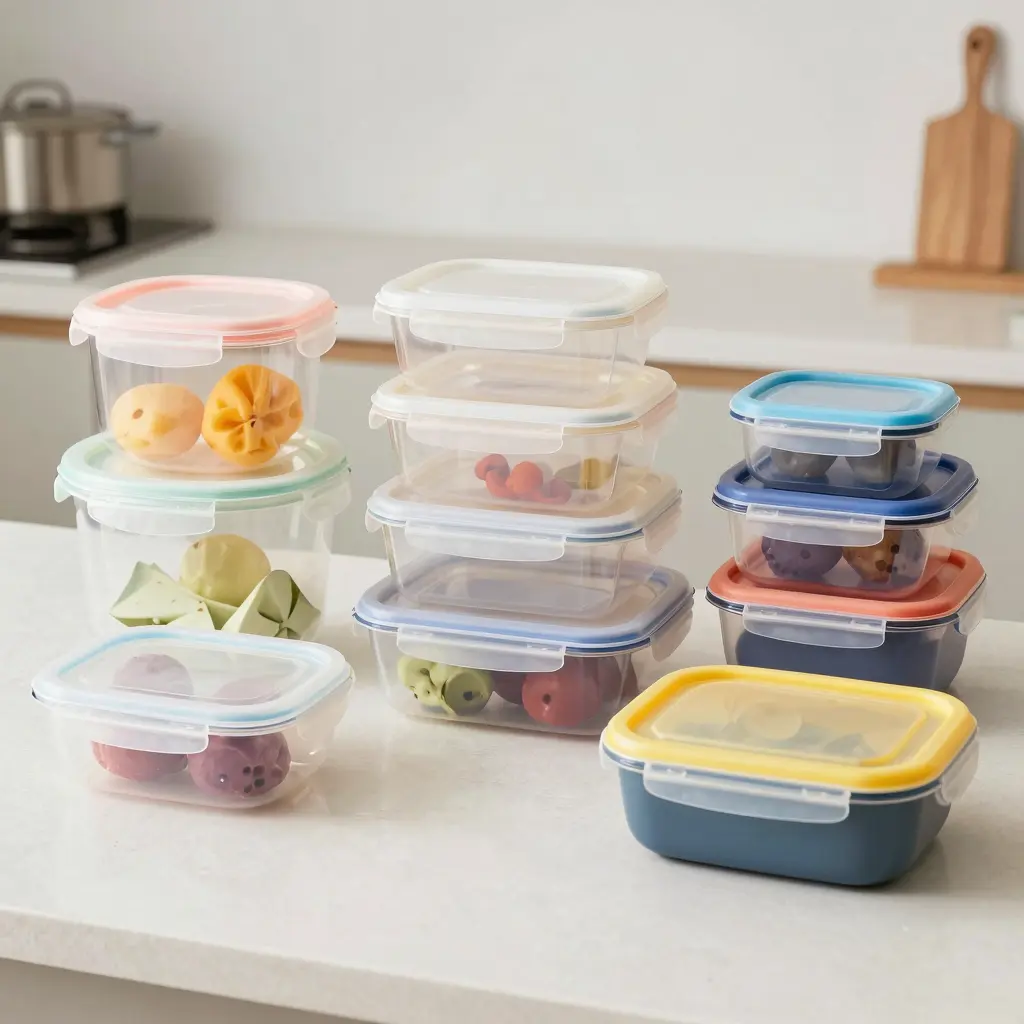
In the food service industry, the variation in plastic food containers is vast, catering to different needs and preferences of businesses ranging from bubble tea shops to catering services. It’s essential to choose non-toxic options to ensure food safety and quality. To explore more products and find the suitable containers for your needs, check out our wide selection of in-stock boxes and takeaway boxes.
Environmental Considerations
In an era where sustainability is becoming increasingly vital, the manufacturing practices of non-toxic plastic food containers play a crucial role in reducing environmental impact. Manufacturers are turning to eco-friendly practices that prioritize renewable resources and minimize waste. For instance, many eco-friendly containers are made from biodegradable materials like Polylactic Acid (PLA), which is derived from corn starch, and other renewable resources, rather than traditional petroleum-based plastics. This shift plays a significant role in combating plastic pollution, which is a growing concern across the globe.
Additionally, innovative manufacturing processes now focus on efficiency and the use of non-toxic additives to ensure that food safety is uncompromised. Containers made this way are designed to be reusable and recyclable, encouraging consumers to adopt more sustainable practices in their daily lives. Furthermore, companies are increasingly adopting closed-loop production systems that recycle post-consumer waste into new containers, thereby reducing overall material consumption.
Why is this important for businesses, especially those in the food and beverage industry like bubble tea shops, restaurants, and catering services? Sustainability is becoming a vital criterion for consumers when making purchasing decisions, with recent studies showing that over 51% of consumers consider environmental impact a key factor. Choosing eco-friendly non-toxic containers not only fulfills social responsibilities but enhances brand image and customer loyalty.
By opting for non-toxic plastic containers, businesses can lead the charge towards a sustainable future while also appealing to the growing demographic of environmentally conscious consumers. Every small step in reducing plastic waste is a leap towards creating a healthier planet for future generations. To explore a range of sustainable packaging options, check out our eco-friendly food boxes.
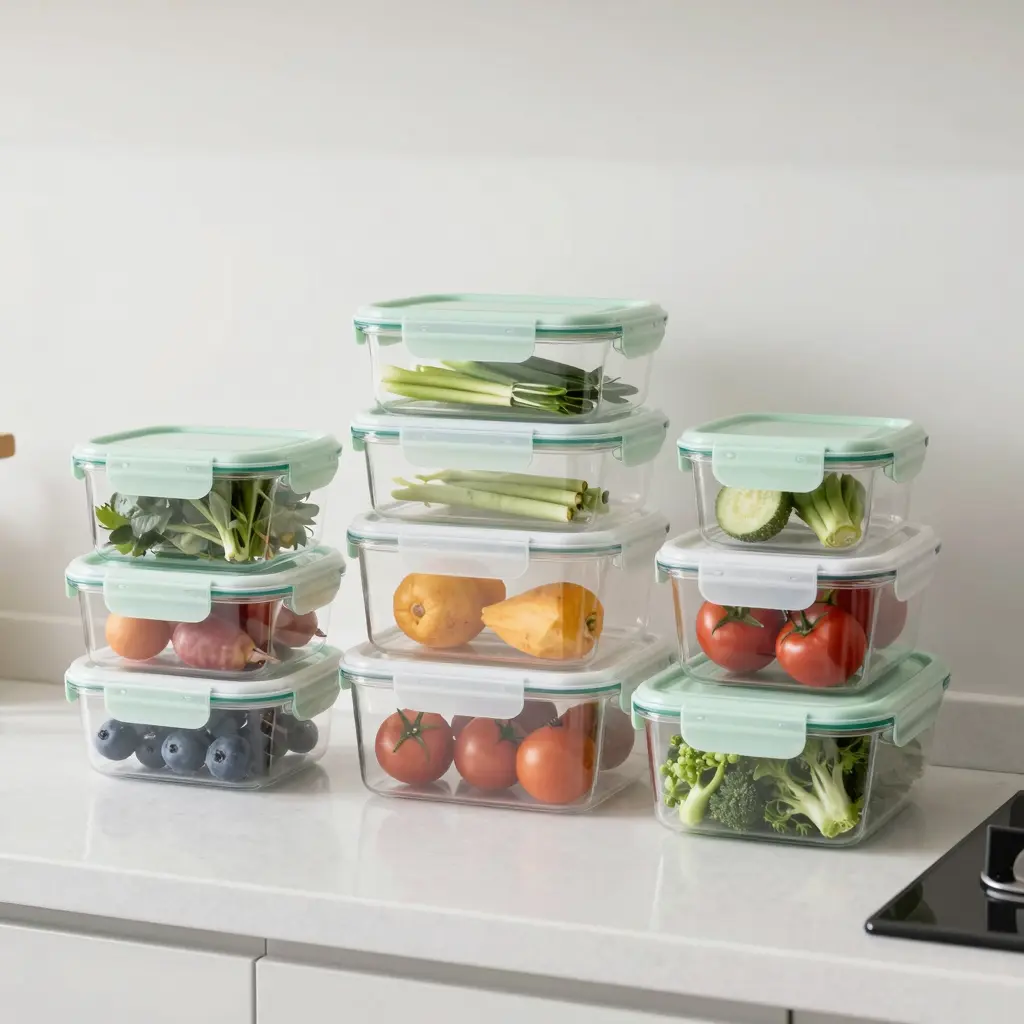
Comparison Table of Non-Toxic Plastic Food Container Vendors
This table provides a comparison of various vendors of non-toxic plastic food containers, focusing on key criteria such as price, safety certifications, and delivery options. This information can assist businesses, including bubble tea shops, restaurants, food trucks, and catering services, in making informed purchasing decisions.
| Vendor Name | Price Range (USD) | Safety Certifications | Delivery Options |
|---|---|---|---|
| LOCK&LOCK (South Korea) | $20 – $50 | FDA, CE | 3-5 days |
| Tupperware (USA) | $30 – $80 | FDA, LFGB | 3-7 days |
| Silgan Holdings (USA) | $25 – $70 | Food-grade safety standards | 5-10 days |
| Thermo Fisher Scientific (USA) | $50 – $100 | Lab-grade safety | 1-5 days |
For more options, feel free to check out our available boxes and containers or explore our takeaway boxes.
Visual Representation of Vendor Prices
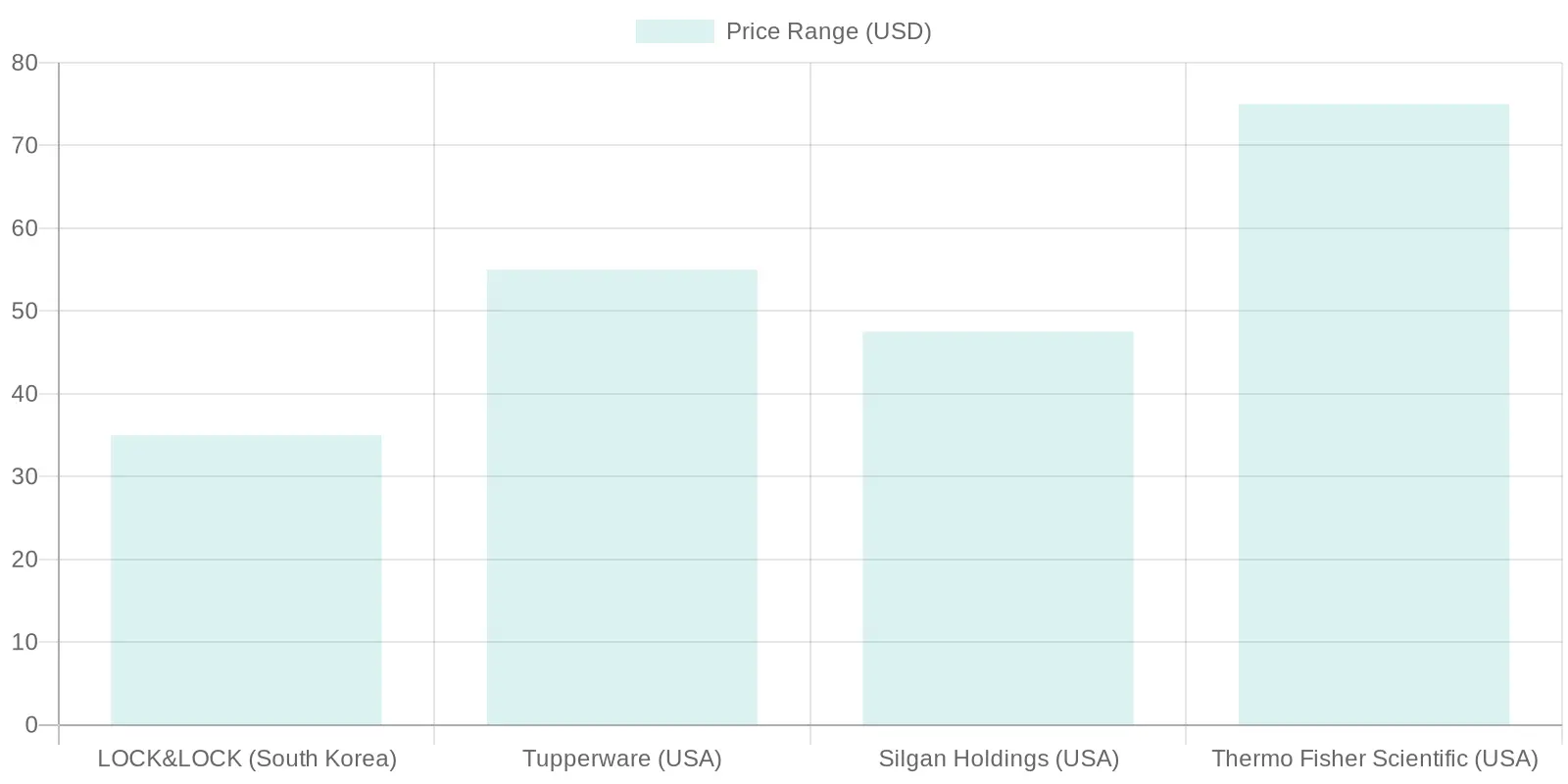
This chart visually represents the price range of each vendor, making it easy to see where they align in terms of cost.
Choosing the right vendor for non-toxic plastic containers is crucial for maintaining food safety and sustainability. Evaluate these vendors according to your business needs and preferences!
Case Study: A-Tea Co. Successfully Implements Non-Toxic, Reusable Plastic Containers with Positive Customer Feedback
Introduction
In recent years, the rising awareness of environmental sustainability has prompted many businesses to rethink their packaging strategies. Notably, A-Tea Co., a bubble tea chain based in California, spearheaded the transition to non-toxic, plant-based bioplastic containers in 2026. This case study explores their journey and the resulting customer responses, highlighting the impact of such a transformation on brand loyalty and sales.
Implementation of Non-Toxic Containers
A-Tea Co. launched a pilot program in March 2026, aiming to replace all single-use plastic cups and lids with fully compostable containers crafted from cornstarch and sugarcane waste. These new containers achieved certification from the Cradle to Cradle Certified™ Platinum standard, ensuring they do not leach harmful chemicals, even when filled with hot liquids.
This initiative arose following an alarming consumer health report regarding microplastics, driving A-Tea Co. to address potential contamination concerns in their beverages. The company collaborated with a reputable materials supplier to ensure that the transition was seamless and met health and safety regulations.
Customer Feedback and Reactions
After six weeks of implementing the new packaging, the results were overwhelmingly positive:
- 38% Increase in Positive Mentions: Engagement on social media platforms-especially Instagram and TikTok-rose significantly, with many customers lauding the eco-friendly packaging.
- 72% Customer Loyalty: An internal survey indicated that this environmentally conscious shift made 72% of respondents feel more attached to the brand, reinforcing their loyalty.
- Sales Surge: The overall increase in sales during the trial period was measured at 19%, attributed to improved brand perception and social media buzz generated by eco-conscious consumers.
A-Tea Co.’s strategic approach highlighted the importance of aligning product offerings with customer values, particularly regarding sustainability. The initiative was covered in various media outlets, enhancing their reputation further.
Industry Trends and Benefits
The shift towards non-toxic packaging is indicative of broader industry trends. As reported by Forbes Business Insights, sustainable packaging options such as PLA (polylactic acid) cups and reusability factors (like silicone sleeves) have become pivotal to customer satisfaction in bubble tea chains. 87% of surveyed customers report appreciating these changes and feel a greater sense of safety when consuming products from eco-focused brands.
- Compliance with Regulations: Following the evolving industry standards and consumer expectations, brands now recognize the critical need to comply with health and safety regulations surrounding food containers. For instance, materials like PVC (polyvinyl chloride) faced widespread bans in several markets due to health risks, emphasizing the need for non-toxic alternatives.
- Increased Repeat Visits: Data gathered after implementing eco-friendly packaging revealed a 26% increase in repeat visitations, showcasing how sustainability efforts enhance customer retention.
Conclusion
The success of A-Tea Co. serves as a compelling example for bubble tea shops and the broader food service industry. The tangible benefits of switching to non-toxic, reusable containers-alongside a strong marketing narrative around sustainability-cannot be overstated. As consumer trends continue to shift towards health consciousness and environmental responsibility, businesses that adapt to these expectations will likely see enhanced brand loyalty and improved sales figures. For similar businesses looking to transition, Eco Cup Bowl offers a range of non-toxic container options suitable for your needs.
This case study illustrates the transformative power of aligning brand strategies with sustainable practices while addressing consumer health concerns. As shown, investing in high-quality, non-toxic packaging can yield significant returns-not only in sales but also in customer loyalty and brand reputation.
Market Trends in Non-Toxic Plastic Food Containers
The demand for non-toxic plastic food containers in the beverage and food services industries has been on the rise, driven by consumer awareness of health and environmental issues. Recent reports indicate significant growth trends that highlight the shift towards sustainable packaging solutions.
Market Overview
The market for plastic food containers is projected to grow substantially. According to recent analyses, the global market size for plastic food containers in 2023 reached approximately $35.54 billion, with expectations to increase notably by 2030 due to emerging trends in non-toxic and sustainable packaging solutions.
- The overall plastic container industry is forecasted to experience a compound annual growth rate (CAGR) of about 4.98% from 2023 to 2030.
- Increased consumer demand for non-toxic and environmentally friendly products has become a main driver for this growth.
- The need for customized branding has prompted beverage chains and food service providers to seek innovative packaging solutions.
Growth Trends
Here is a chart illustrating the growth trends in the market:
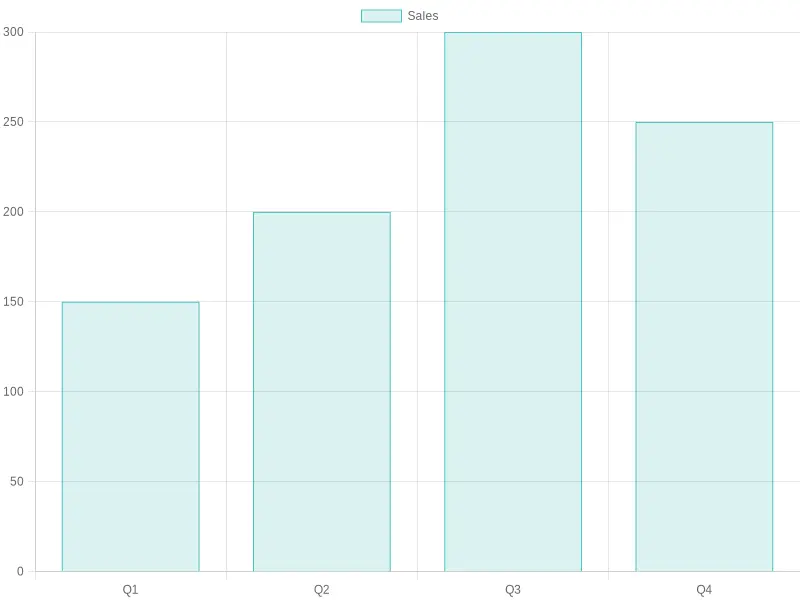
As highlighted in the chart, the increase in sales reflects a growing consumer preference for non-toxic containers across the beverage and food services sectors, emphasizing the importance of sustainability and customization in packaging design.
For businesses looking to stay ahead in the market, investing in non-toxic plastic food containers can not only meet regulatory requirements but also satisfy consumer demands. For further insights into available products, visit our Food Containers Product Range and explore options tailored to your business needs.
Key Benefits of Non-Poisonous Plastic Food Containers for Businesses
When it comes to food service, especially in industries like bubble tea shops, restaurants, food trucks, and catering services, the choice of food containers plays a pivotal role in customer satisfaction and compliance with regulations. Non-poisonous plastic food containers offer a multitude of benefits that can significantly enhance business operations.
1. Safety for Customers
Non-toxic plastic food containers, made from materials like food-grade polypropylene, ensure that no harmful substances leach into food products. This is paramount for customer safety and health. Businesses can reassure their customers that they are using safe products, minimizing the risk of foodborne illnesses, and fostering customer loyalty. Additionally, the use of such containers can prevent cross-contamination and odorous leaks, enhancing the overall dining experience. Companies are empowered to communicate their commitment to food safety, promoting a trustworthy brand image.
2. Compliance with Regulations
Regulatory compliance is critical in the food industry. Non-poisonous plastic containers often meet or exceed safety standards mandated by health authorities. For instance, the Food Safety National Standards set forth requirements regarding food contact materials, ensuring that businesses maintain safe practices across their operations. Utilizing compliant containers not only mitigates the risk of legal repercussions but also positions businesses favorably in compliance audits and inspections. You can explore various compliant packaging options here: Takeaway Boxes.
3. Marketing Advantages
In today’s environmentally-conscious market, businesses stand to gain significant marketing advantages by using non-toxic, eco-friendly food containers. With increasing consumer awareness regarding sustainability, offering food in non-poisonous plastic containers can enhance a brand’s reputation. This commitment to health and safety resonates particularly well with younger demographics who prioritize sustainability and ethical sourcing. Companies that align their branding with eco-friendliness may not only attract more customers but also build lasting relationships with them. Incorporating such marketing strategies can be a decisive factor in your business success. Additionally, showcasing your use of safe, sustainable products can be a great marketing point, especially if you are aiming to appeal to health-conscious consumers.
Additionally, there exists potential for collaboration with local events and organizations focused on sustainability, further enhancing brand visibility. For innovative container options, check out our products available in stock: Eco-Friendly Containers.
Conclusion and Call to Action
Choosing non-poisonous plastic food containers is not just a smart decision; it’s a commitment to safety, quality, and sustainability. As highlighted by various studies, non-toxic plastics minimize the risk of harmful chemicals migrating into food, ensuring that your customers receive meals that are not only delicious but also safe. Furthermore, these containers maintain durability, efficiency, and are aligned with health regulations, setting your establishment apart and appealing to a more health-conscious clientele.
By investing in non-toxic options, you’re not only enhancing your brand’s image but also promoting health and wellness in your food offerings. Your choice matters in creating a safe dining experience.
We invite you to explore our range of non-poisonous plastic food containers at EcoCup Bowl. Ready to upgrade your packaging solutions? Contact us today for quotes and let’s discuss how we can best meet your needs!